


A useful display enquiry starts before a model is chosen. You may know that you want a striking entrance, a product demonstration or a memorable event backdrop, but those are different projects. Describing the job clearly helps a supplier understand what you are asking and what still needs assessment.
This is a brief-writing guide, not an installation plan or a promise that a particular service is available. Use the exact equipment manufacturer's requirements and qualified advice for mounting, power, guarding and site suitability. A conversation about a display does not approve its installation.
Lead with the purpose, not a size guess
Write a sentence naming the setting, audience and desired message. “We want visitors at our exhibition stand to recognize one product as they approach” is more specific than “we need a large hologram.” It gives the discussion a purpose without claiming a certain display will produce a sales result.
Describe what the visitor should understand or do next. Perhaps the display introduces a demonstration at a nearby counter. Perhaps it supports a brand story rather than a price promotion. Keep one main objective at the top of the enquiry, with secondary ideas underneath.
If you already have a model in mind, name it as a candidate. Our H16 product page is one example of a model reference you can include. Do not treat the model name alone as confirmation of fit, supplied accessories or installation requirements.
Separate the project into work packages
Make distinct lines for hardware, content and site work. You might already own equipment but need an animation; you might have a finished animation but still need its compatibility checked. Someone reading the enquiry should not have to infer which part you are asking them to supply.
For each line, mark “already available,” “requested” or “not yet decided.” Include any accessory you are considering as a question rather than an assumed bundle. Ask who would be responsible for each part and whether it is within that supplier's offered scope.
This also makes comparisons fairer. Two estimates may appear different because one includes content work and the other does not. Ask for inclusions and exclusions in writing before comparing their totals.
Describe the site honestly
State whether the project is indoors or outdoors, temporary or ongoing, and in a private or shared space. Add the general location and any venue restrictions you already know. If owner or organizer permission is pending, label it pending.
Include an overview photograph from an ordinary accessible position and a simple sketch of the proposed area. Mark measured dimensions with units and estimates as estimates. Distinguish the space available for equipment from the audience's likely viewing position.
Do not improvise a mounting solution to complete the enquiry. If a ceiling, wall or support has not been assessed, say so. Ask what further information a qualified installer or the manufacturer would need. Photos can explain the setting, but they do not certify a structure or electrical arrangement.
Explain what content is ready
List the assets you can provide: an approved logo, product reference images, a written message or an existing animation. State whether you have permission to use them. Keep customer information and unrelated business documents out of the package.
Identify the intended languages and who will approve wording. If a message contains a price, date or offer, name the person responsible for confirming it and the date by which it must be final. That prevents an equipment discussion from quietly becoming approval of unfinished advertising.
Ask for the exact content requirements for the proposed model before commissioning final exports. Do not assume that a file shown on another display is ready for this one. The enquiry can include a low-resolution reference while the technical delivery specification remains an open question.
Give dates their own meanings
A project may have several deadlines: choosing the equipment, approving content, receiving a shipment, gaining site access and opening to visitors. Write them separately, with the location's time zone when a specific time matters.
Distinguish a preferred date from an immovable event date. Ask what schedule is realistic rather than treating an advertised shipping estimate as an installation commitment. If a proposal depends on rapid artwork approval or a site visit, make that dependency visible.
End with the decisions you need
Keep the final questions focused: which model should be assessed, what is included, what information is missing, and who handles the parts outside the supplier's scope? A short numbered list makes a partial answer easier to follow up.
Send the brief through INNAYA's contact page and retain the response with your project notes. Update the brief when a requirement changes, rather than circulating several contradictory versions.
A useful enquiry does not pretend every detail is settled. It makes the goal clear, names the unresolved work and gives the next person enough context to ask better questions. That is a stronger starting point than choosing equipment from a dramatic image alone.
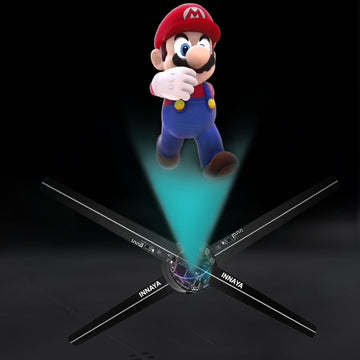
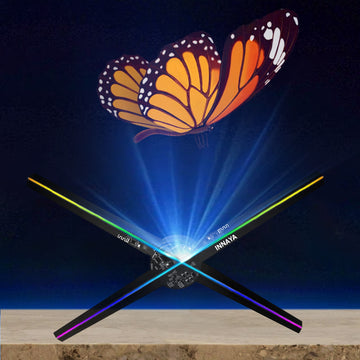
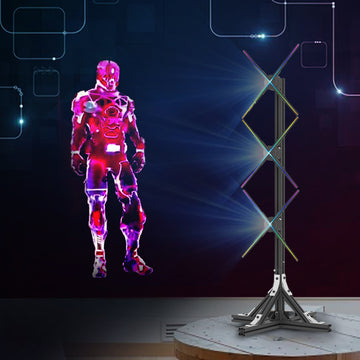
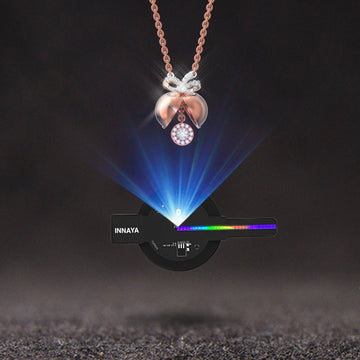
Cover: original conceptual planning illustration. The presentation card is not a depiction of supplied equipment or a demonstrated installation.