




A display's product price is a useful starting point, but it is not the same as the cost of a finished campaign. Someone still needs to prepare the content, confirm the installation, approve the message and keep it current. Listing those jobs before ordering makes quotes easier to compare and prevents a low equipment total from hiding unfinished work.
This is a planning framework, not a price estimate or a promise of return on investment. Use current written quotes for your own location, equipment and deadline. Leave an unknown cost marked as unknown rather than quietly treating it as zero.
Define the first complete use
Describe what a successful first deployment actually includes. For example: one approved display at a particular retail location, showing a finished animation during an agreed campaign period, with a named person responsible for updates. That is more useful than “buy a hologram fan.”
Write the intended launch date and what must be ready before it. Separate a desired date from a confirmed delivery or installation commitment. A supplier's product page does not establish the schedule for your complete project.
Also decide what is outside the first phase. A future multi-location rollout should not silently expand a one-location trial. Keeping scope visible helps you compare like with like when discussing options.
Build an equipment list by model and quantity
Start with the selected display, then ask which compatible accessories are required for the proposed setup. Our current catalog includes separate items such as the H-Series protective case, tripod and multi-fan linking router. Their existence is a reason to confirm the complete configuration, not to add every accessory automatically.
Record model compatibility in writing. The router listing, for example, identifies H23 and above in its title; that should prompt an exact-model check rather than an assumption that every fan can use it. Ask the supplier to confirm the proposed combination.
Include any required power, mounting or protective arrangements in the discussion. Have installation and electrical work assessed by appropriately qualified people where needed. A budgeting worksheet is not an installation plan.
Give content its own line
List what is ready now: logos, product images, written copy, translations and approved offers. Then list what must be created or adapted. Existing artwork may still need preparation for the selected display; having a file is not the same as having a finished, compatible animation.
Ask what a content quote includes: number of concepts, duration or versions, revision rounds, file delivery and any later edits. Keep ownership and usage rights explicit. Do not assume a stock asset can be reused in every campaign merely because it is downloadable.
If you plan to use ready-made content, check the specific file's suitability and terms. Budget staff time for reviewing the result on the intended equipment. Our content-brief guide helps turn those requirements into a clearer request.
Separate setup from ongoing work
One-time work might include site assessment, delivery coordination, installation, initial configuration and staff orientation. Recurring work might include updating offers, adapting seasonal content, reviewing the display and keeping project records. Your actual list may be shorter or longer.
Assign an owner to each task even when no outside invoice is expected. Staff time is still a resource. A useful worksheet has columns for task, responsible person, quoted amount, frequency and unresolved questions.
For recurring services, write the billing period and cancellation or renewal terms from the actual agreement. Do not multiply an advertised introductory amount indefinitely or assume an optional service is included with the hardware.
Compare quotes on the same basis
Put each quote beside the same scope list. Check quantities, included accessories, content deliverables, installation assumptions, taxes, shipping and any other applicable charges. Note exclusions explicitly rather than comparing only the largest number on the page.
Ask how changes are handled. If the location, animation or launch date changes, which parts need a revised quote? Keep the answer with the project record so the person approving the budget understands what the total does and does not cover.
A small trial can be useful when its purpose is defined, but it is not automatically the cheapest choice. Compare the complete work required for each option and avoid treating a possible future reuse as guaranteed savings.
Leave room for decisions, not invented percentages
Instead of copying a generic contingency percentage, list your unresolved decisions: mounting method, final artwork, site access or the number of revisions. Ask for the information that would turn each unknown into a quote or a deliberate exclusion.
Before approval, confirm who can authorize changes and how they will be recorded. Keep an agreed baseline total and a separate change log. This makes a later increase explainable without pretending the original estimate covered work that was never discussed.
The finished budget should describe a working campaign, not just a shipment. When the equipment, content, setup and upkeep are visible together, you can choose a realistic first phase and know what questions still need answers.
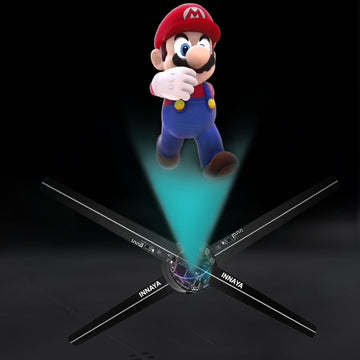
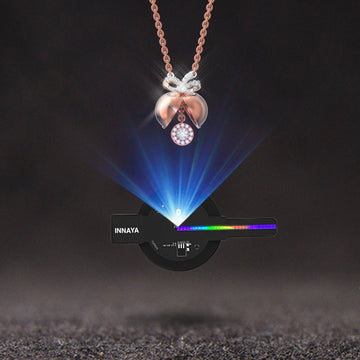
Cover: conceptual campaign-planning illustration, not a depiction of an exact INNAYA product or its optical mechanism.